
Putting the Iran Conflict and Recent Volatility in Perspective
By Dan LaMacchia · Originally published
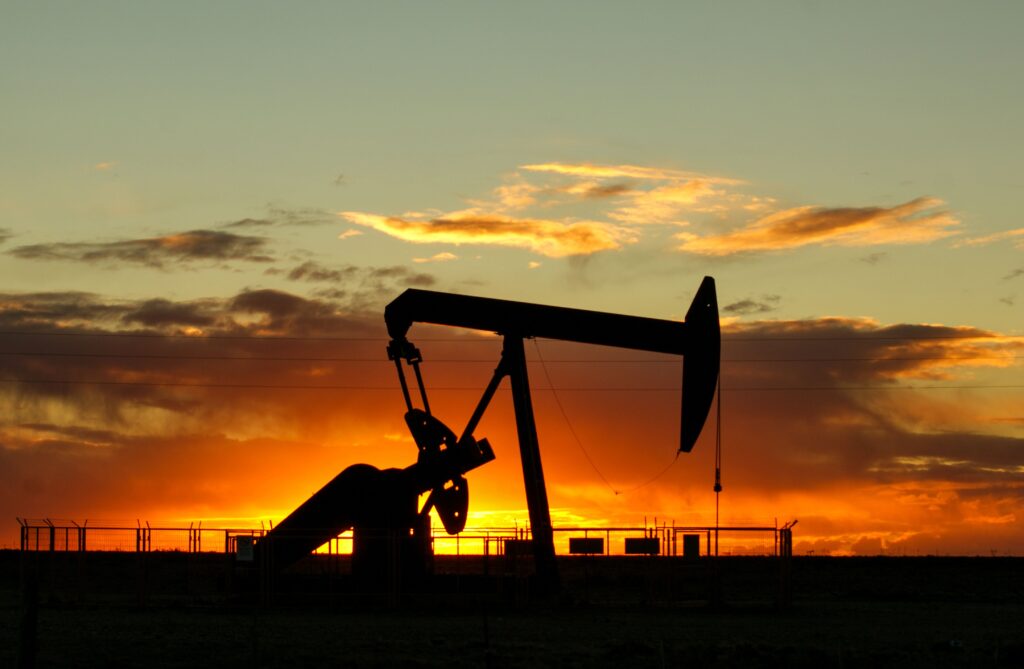
To help Put You At Ease, here’s my brief, data-driven view of what the current conflict involving Iran may mean for our thinking over the next few weeks and months. My goal is to keep you informed, not alarmed, and to explain how I’m considering the markets, and the money we manage, in this environment.
What’s Happened So Far
Since late February, when the latest military action in Iran began, the S&P 500 has moved from about 6900 on February 25 to around 6700 today—a decline of roughly 3 percent over a period marked by intense headlines and a sharp rise in oil prices. This is a relatively modest pullback in light of the news, and it is consistent with how markets have often behaved in past geopolitical shocks: oil reacts quickly to supply fears, while stocks digest the situation more gradually.
In the short run, daily stock moves have tended to be weaker on days when oil spikes and more stable when oil eases. That pattern reflects concerns about inflation and interest rates more than a sudden change in the long-term earnings power of U.S. companies.
How Stocks Have Historically Behaved After Shocks
History doesn’t repeat exactly, but it does offer useful guideposts. In earlier conflicts and oil-price spikes, we’ve typically seen:
- An initial phase of heightened volatility and unsettling headlines.
- A period where oil prices and the path of the conflict drive short-term swings in stocks.
- Over time, a refocus on economic growth and corporate earnings, with markets often recovering and moving higher once worst-case fears fail to materialize.
In other words, markets rarely move in a straight line, but they have repeatedly adjusted to geopolitical events and then resumed following underlying fundamentals.
Two Weeks to Three Months: Two Main Paths
Over roughly the next two weeks to three months, I am watching two broad scenarios:
- De-escalation and stabilization. If the stated military objectives are achieved and tensions ease reasonably soon, some of the “fear premium” in oil prices is likely to come out. In that case, the stock market has room to stabilize and potentially recover from the recent pullback, even if the news flow remains noisy.
- Extended conflict and elevated oil. If the conflict drags on for several months and keeps oil prices elevated, volatility in stocks would likely remain higher than normal. This scenario does not automatically imply a major bear market, but it does argue for more selective positioning and a slower pace of interest-rate cuts from the Federal Reserve.
In both paths, short-term market swings are being driven more by oil and interest-rate expectations than by any sudden collapse in business fundamentals.
A Technical “Guidepost”
Alongside fundamentals, I also watch key technical levels—areas on the stock charts where buyers have historically stepped in. Since November the S&P has been trading in a very common sideways channel and, since before the conflict began, I’ve had the feeling that the market felt “toppy” and could dip to around 6500 before it saw significant support. That would represent an utterly-normal decline of about 5%.
Right now, with the S&P 500 around 6700, we’re about halfway there. That does not mean the index must fall to 6500, or that it will. It means:
- If the Iran conflict news begins to show promise in the administration’s original 5-week timeline, I expect the market to start finding stronger buying interest around that zone.
- If, on the other hand, the conflict deepens and threatens that timeline, I will be using that S&P 6500 area as a reference point for deciding whether additional weakness is more likely.
Think of 6500 as a reference line on the field—not a prediction, but a level that helps guide how we respond if volatility increases.
How We’re Managing Client Money in This Environment
Given this backdrop, my approach is:
- To stay invested according to our long-term bullishness.
- To be measured instead of chasing headlines, especially if we see the market move closer to key support levels like 6500.
- To lean on our stock-picking, including sectors that may benefit from higher energy prices, while continuing to emphasize quality businesses with solid balance sheets.
- Lastly, to be ready to pull back and move some funds to cash if events in Iran become truly entrenched.
Geopolitical events are unsettling, but they are not new to markets. We have navigated wars, energy shocks, and policy surprises before. Each time, the headlines felt unique and unnerving; each time, disciplined investors who stuck to a thoughtful plan were ultimately rewarded for their thoughtful patience.
If you would like to talk through how this applies to your own situation, I’d be happy to take your call. Our clients should never hesitate to share their thoughts; we are here strictly because of them.
With our warmest thanks for the continued trust our clients place in us.
Have a question about your own plan?
We're glad to talk through how any of this applies to you.
Contact Us